
Learning from Australia’s nature-based carbon markets
By Paul McMahon
First appeared in Sustainable Views on July 12th 2024
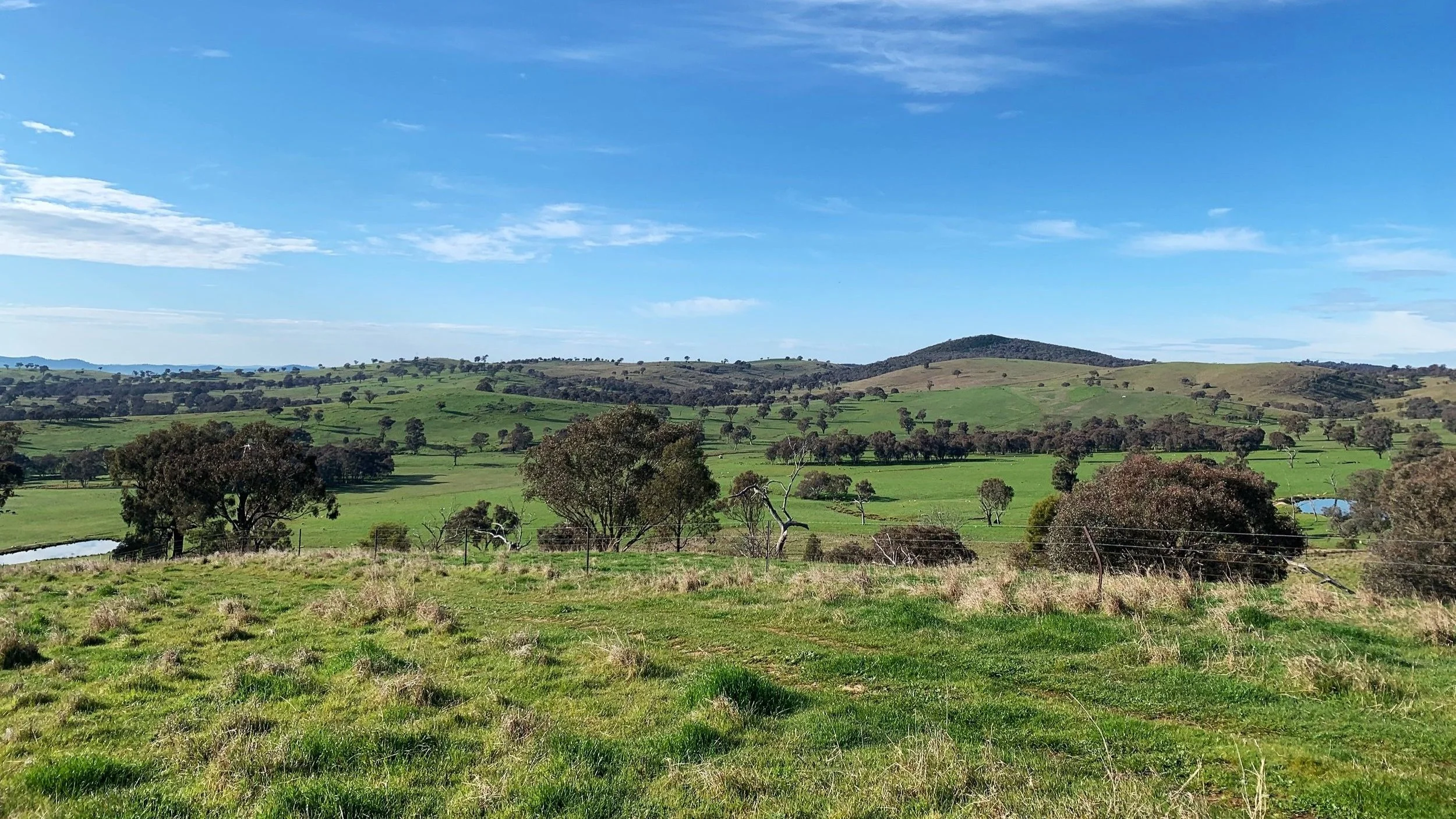
Australia’s regulated carbon market, with its focus on land management and commitment to ensuring consistent demand, provides a model for others to follow
Voluntary carbon markets are suffering a crisis of confusion. Consulting firms say hundreds of billions of dollars will need to be invested in carbon removal to meet climate goals by 2050. But recent scandals have undermined the credibility of the tropical forestry projects in developing countries that have historically provided most carbon credits.
In North America and Europe, as governments sit on the sidelines, start-ups are tripping over each other to develop carbon schemes for agriculture and forestry, with wildly different methodologies and degrees of integrity. This is confusing for landowners, farmers and buyers of carbon credits.
Australia, however, has created a regulated carbon market with clear rules and sources of demand.
The Australian government started building a voluntary carbon market in 2011 through its Carbon Farming Initative. Over time, this has transformed into a regulated domestic carbon market under the control of government agencies that approve methodologies, issue credits and maintain a registry.
Each Australia carbon credit unit issued represents 1 tonne of carbon dioxide CO₂ equivalent stored or avoided by a project. The Australian Clean Energy Regulator estimates that 20mn ACCUs will be issued in 2024, up from 17.2mn the previous year.
From the beginning, the focus was on land, and the carbon market was designed to encourage landowners and farmers to reduce greenhouse gas emissions and store carbon in soils and vegetation.
Of the 32 approved carbon methodologies, 16 are relevant to the land sector. Between 2012 and 2023, 140mn ACCUs were issued, most of them from projects related to land management.
Cultivating demand for carbon credits
A weak point for many carbon markets is uncertain demand. The Australian government initially solved this problem by acting as the main buyer for credits. An Emissions Reduction Fund — which was allocated A$2.5bn ($1.7bn) from the federal budget — signed 10-year offtake contracts with project proponents, providing the certainty that enabled projects to get off the ground.
More recently, corporates have grasped the baton. Companies are buying ACCUs not only to meet voluntary net zero commitments, but also fulfil compliance requirements. The Australian government has placed caps on the emissions of highly polluting companies. These automatically reduce by 4.9 per cent a year until 2030 but if these companies cannot reduce emissions internally, they will need to buy offsets in the carbon market.
While the government primed the pump in the early years, now the private sector is propelling the market forward. As a result, the ACCU price — which was consistently in the A$12-A$15 range until 2021 when the government was the main purchaser — has reset to A$35-A$40 in recent years.
Carbon advisory firm Reputex estimates the ACCU price will increase to A$60-A$100 by 2033, depending on different supply-and-demand scenarios.
How farmers and landowners can tap into this market
By participating in these carbon markets, farmers, landowners and investors in agriculture have the potential to increase their annual income and enhance the value of their land.
There are two ways to do this.
The first is to take farmland out of production, and plant trees and shrubs or allow native vegetation to grow. This land use change comes at the expense of growing food, however, which can have implications for rural economies and food security if carried out on a large scale.
The second way is to deliver reductions in emissions or increases in carbon storage, by changing agriculture practices and embracing regenerative agriculture while still producing food.
A recent joint venture between SLM Partners and Impact Ag Partners is an example of this latter approach, following the acquisition of a 3,650-hectare mixed farming property near Cootamundra in the Riverina region of New South Wales, Australia.
Besides establishing native trees on less productive areas of the farm, we plan to subdivide paddocks and create water points to allow rotational grazing of livestock, an approach that has been shown to increase soil carbon. Carbon projects already established on this farm are expected to generate 225,000 ACCUs over 25 years.
Similar regenerative practices can also increase carbon storage on more extensive grazing areas. SLM’s Australia Livestock Fund has sold more than 1.8mn ACCUs since 2016 from a portfolio that covered more than 450,000 hectares at its peak. By implementing a regenerative grazing system with beef cattle, we have been able to promote the regeneration of native woodlands in Queensland.
Food production and carbon can be stacked on the same land, with little or no trade-offs. Indeed, regenerative agriculture can also deliver many other benefits in the form of higher yields, reduced input costs, price premiums or more resilience to extreme weather.
Implementing these types of regenerative agriculture systems and establishing carbon projects on productive land requires a high level of skill and experience in the asset managers who oversee investments and the operators who run the farms. For those who master this approach, Australia’s high-integrity carbon market offers a clear path towards monetising positive climate impacts.
Australia may also serve as an example for other regions that have great hopes for nature-based climate solutions but are mired in carbon credit confusion.