
Learn why continuous cover forestry is superior to rotational forestry for carbon storage, biodiversity and profitability, and explore the investment case across European forestry markets.
Download the white paper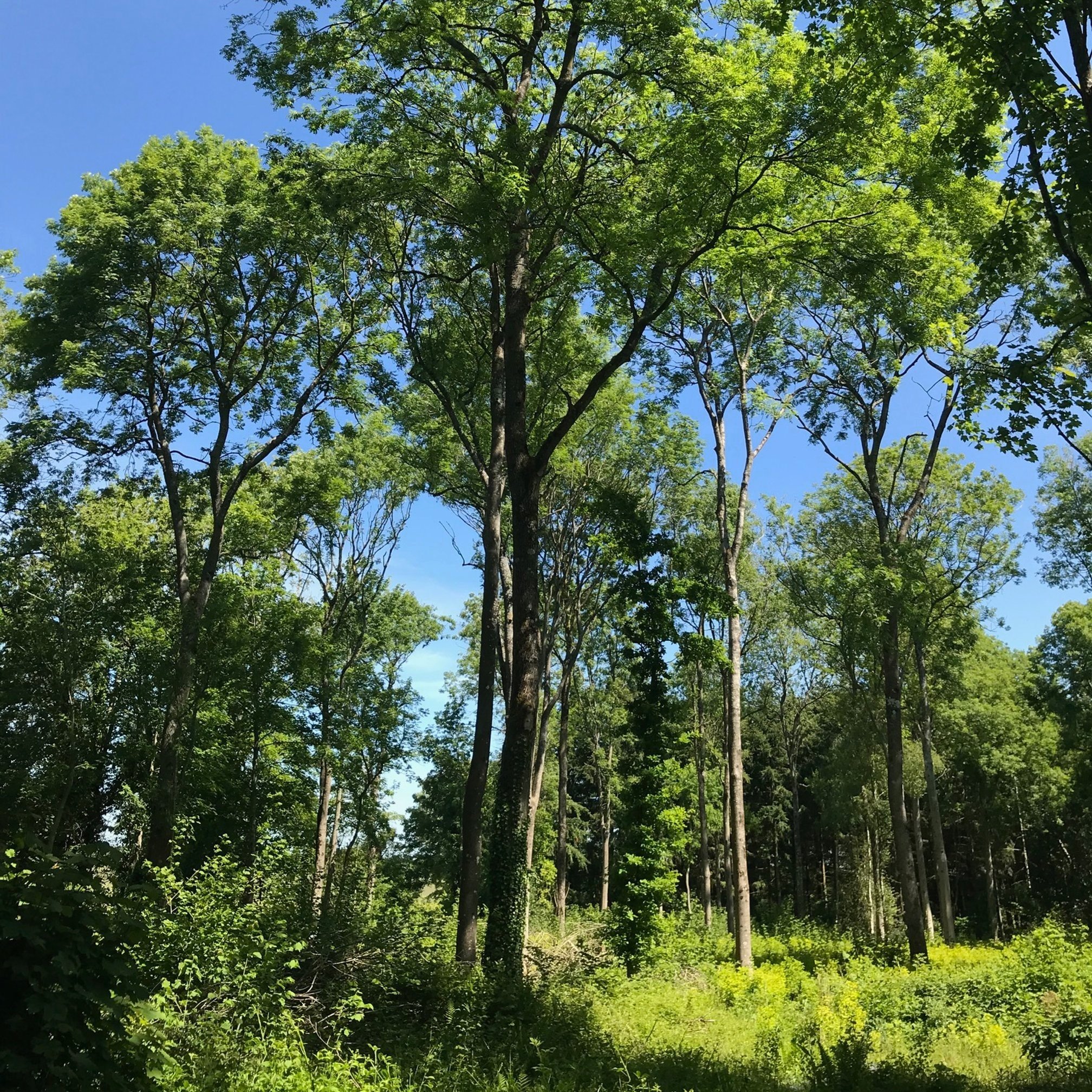
our forestry strategies
SLM Partners currently invests in forestry across Europe, via funds backed by institutional investors, development finance institutions and other long-term capital partnership who share our commitment to sustainable land management.
All of our strategies aim to convert conventionally managed forests to Continuous Cover Forestry to unlock economic, environmental and social returns. Our first forestry fund, SLM Silva Fund I, was launched in 2018, anchored by the European Investment Bank. The Fund has acquired existing semi-mature forest plantations across Ireland and has kick-started the transition to Continuous Cover Forestry across the majority of the assets.
Building on this track record, we established SLM Silva Fund II to extend this same Continuous Cover Forestry approach across a broader European geography. The SLM Silva Fund II was closed in 2026.
Case Study
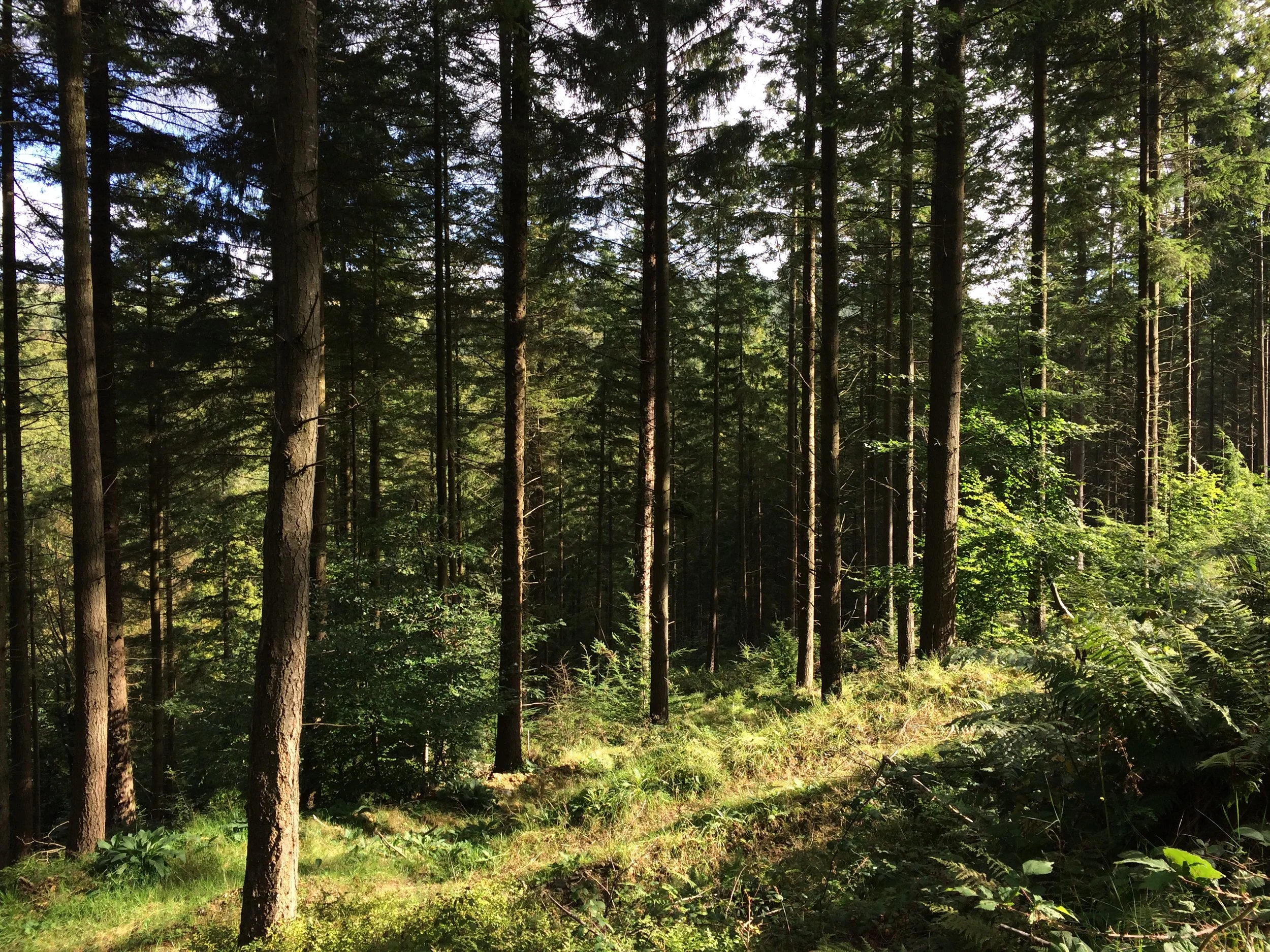
Cloncannon is a 48-hectare upland forest in County Tipperary that was planted in 1996. The Fund acquired the property in 2019. We have applied for a thinning license based on continuous cover forestry management and for a grant to extend the existing forest road. Thinning will remove smaller and poor -quality trees every few years, allowing more light into the forest. This will ensure the remaining trees grow faster and will promote natural regeneration as trees mature and produce viable seed.
The forest contained a block of pure larch that was not growing well. We clear-felled this compartment and replanted with a more diverse mix of species that will be managed under continuous cover forestry.
The retention of the forest canopy under our management will allow forest biodiversity to develop without disturbance, which is likely to accelerate the accumulation of soil carbon, as well as microorganisms, herbaceous plants, fungi and wildlife. Continuous cover management will give the forest greater resilience to wind, pests and diseases without compromising productivity.
The forest has a prominent position in the landscape. We expect it to become a visible example of successful continuous cover forestry and a suitable site for training harvesting contractors and forest managers on sustainable practices.
“The European Investment Bank is pleased to work with SLM Silva Fund to improve sustainable practices in Irish forests. The new EUR 12.5 million investment builds on the EIB’s recent support for forestry and agriculture in the country and will demonstrate how best practice in Ireland’s world-class forestry industry can take better account of the need to safeguard biodiversity, soils and landscapes, and help resist the threats associated with climate change.”
- Andrew McDowell, Vice President of the European Investment Bank responsible for Ireland.