Regenerative Permanent Crops
UNITED STATES & iberia
Our Strategy
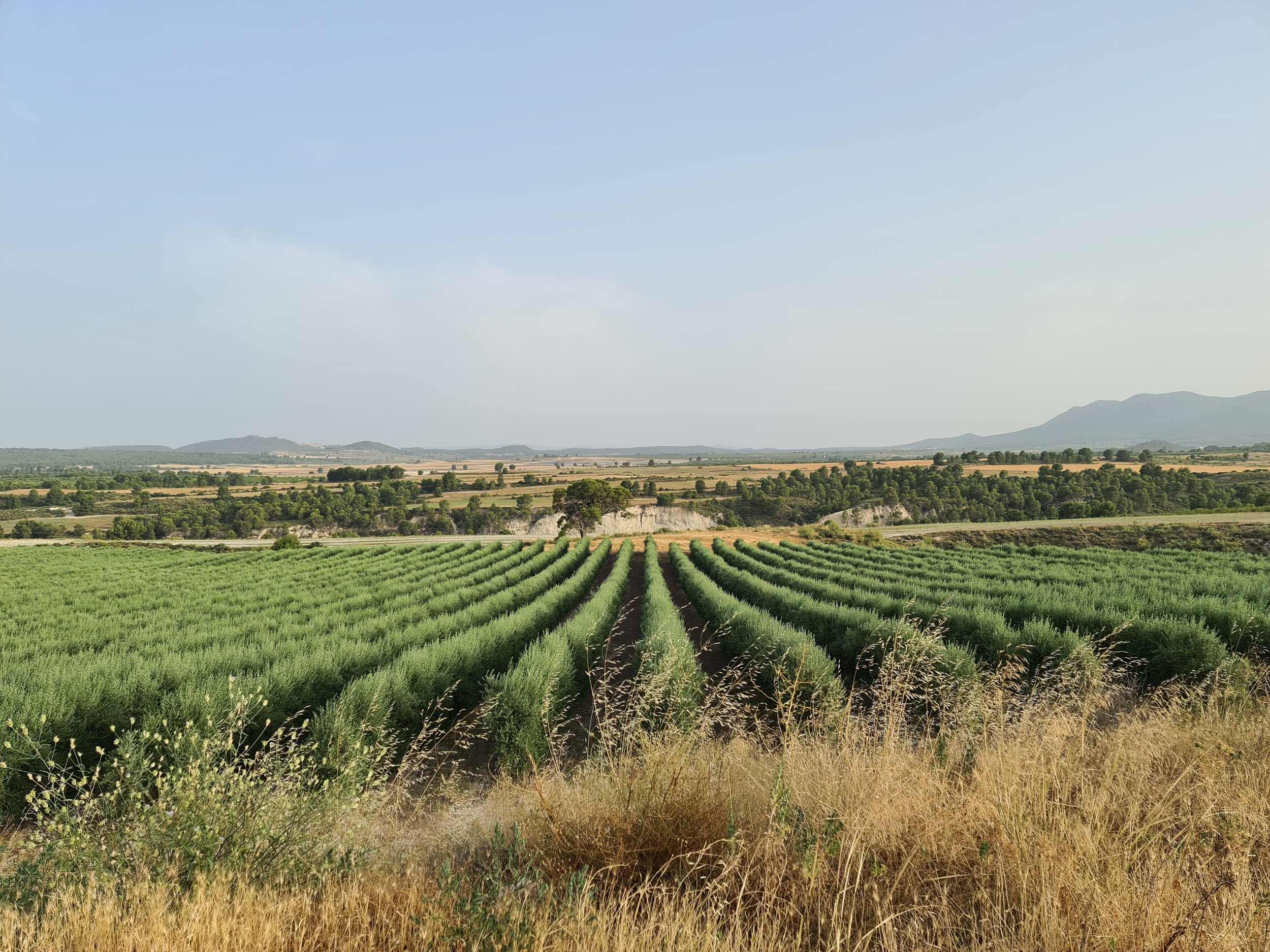
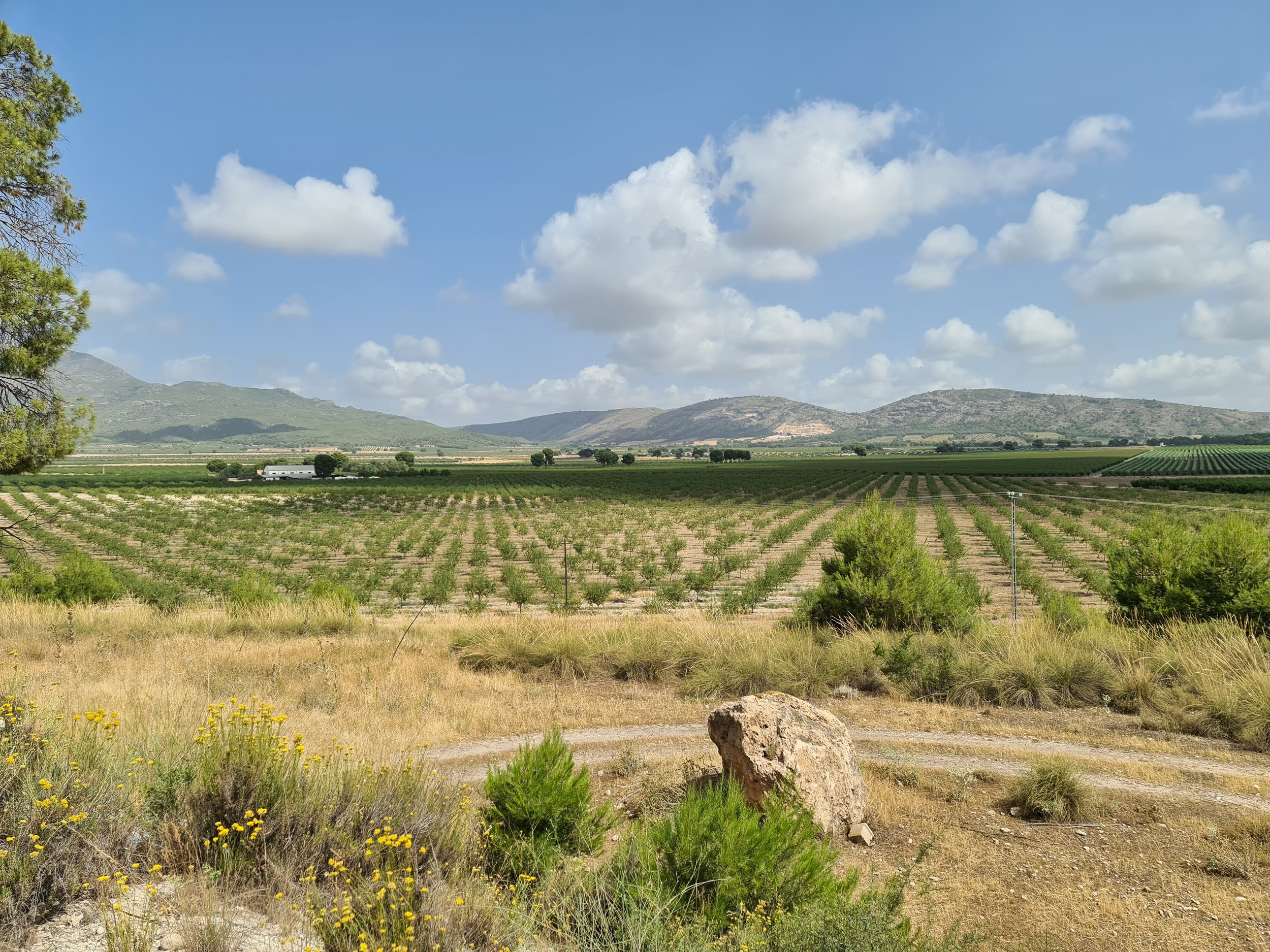
SLM Partners is currently investing in permanent crops in Portugal and Spain. The strategy, SLM Silva Europe Fund, targets areas with suitable climate and water availability for the production of high-value tree nuts and olives. We partner with expert local operators well integrated within their local value chains. Our operating partners implement regenerative management practices across all properties and organic certification where possible.

Our Impact
The recent surge in global tree nut production, especially almonds and pistachios, has been mostly driven by the development of intensive irrigated orchards. These systems rely on heavy use of external inputs, such as synthetic fertilisers and pesticides, to ensure plants can thrive in a man-made environment, characterised by a single commercial specie. While this approach can deliver high yields, an oversimplified and reductionist view of agricultural systems has led to damaging land use practices and several negative environmental externalities. These include water and soil pollution, biodiversity loss, and high Greenhouse Gas (GHG) emissions, which ultimately hinder the long-term sustainability of farming.
Traditional rainfed systems in Mediterranean zones also suffer from land degradation. Soils are often kept bare through tillage or application of herbicides, which can lead to soil erosion, nutrient run-off and loss of soil organic matter.
In recent years, innovative farmers have developed regenerative practices that build soil health, reduce reliance on external inputs, and have a positive impact on biodiversity, water and carbon cycles. Broadly defined, the key principles of regenerative agriculture are minimising soil disturbance, eliminating or reducing agrochemical use, keeping soil covered, maximising plant diversity, and integrating livestock. Although the regenerative agriculture movement is more developed within annual cropping and livestock systems, the same principles can be applied to permanent crops.
We are working with a number of growers using regenerative practices in orchards in Iberia and other parts of the world. Key practices include planting cover crops between tree rows, minimizing tillage, using composts and biodiversity fertilisers, mulching the pruning residues and planting hedgerows or pollinator habitats for integrated pest management. Whole orchard recycling at the end of orchard life also significantly improves the GHG profile. These systems can produce nuts, olives and other crops in a profitable way while storing carbon and improving soil health. By increasing soil organic matter, they also use water more efficiently. When economically viable, orchards are transitioned to organic certification to tap into higher premium markets.
Case Study: Finca el Roble
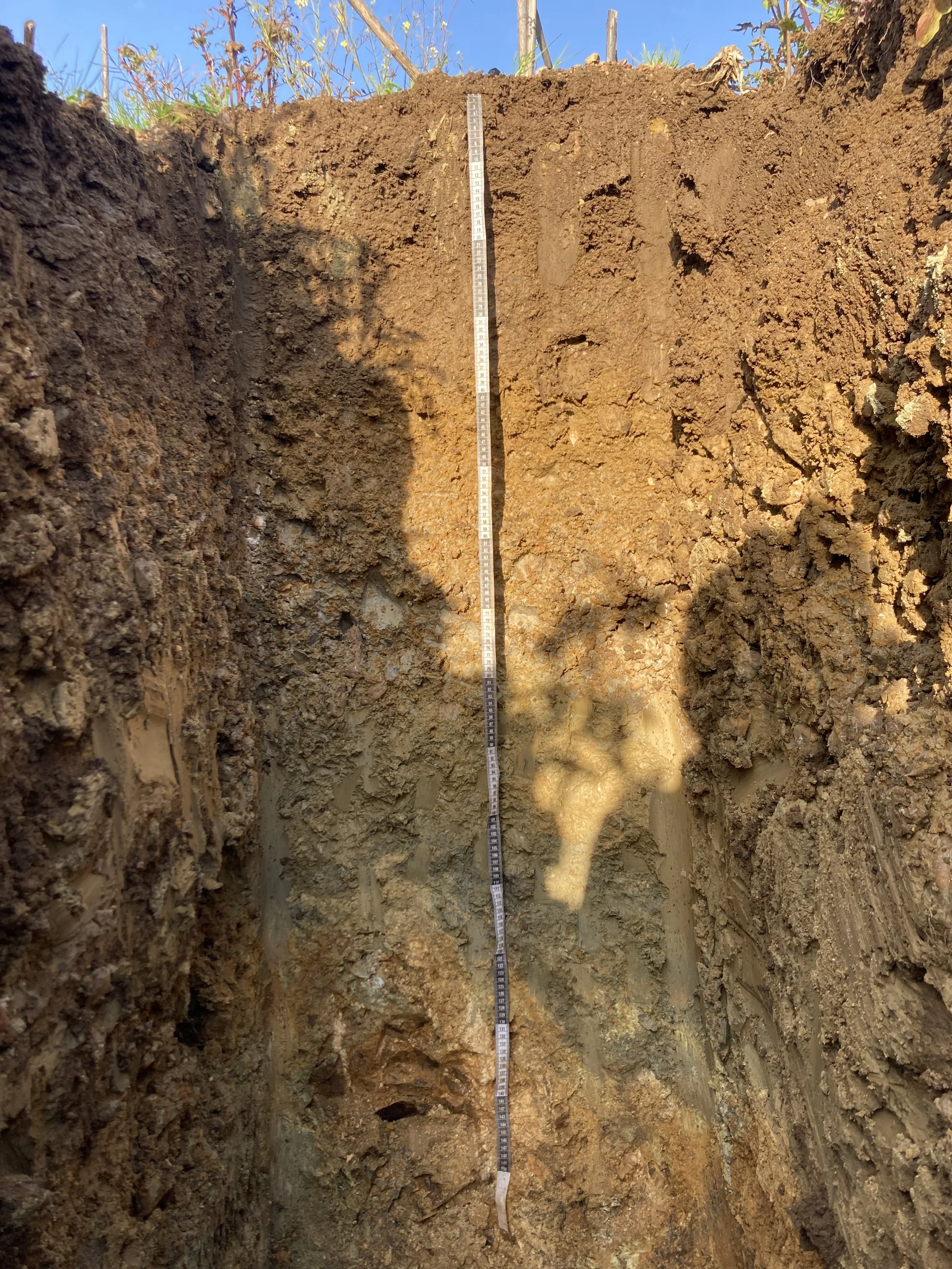
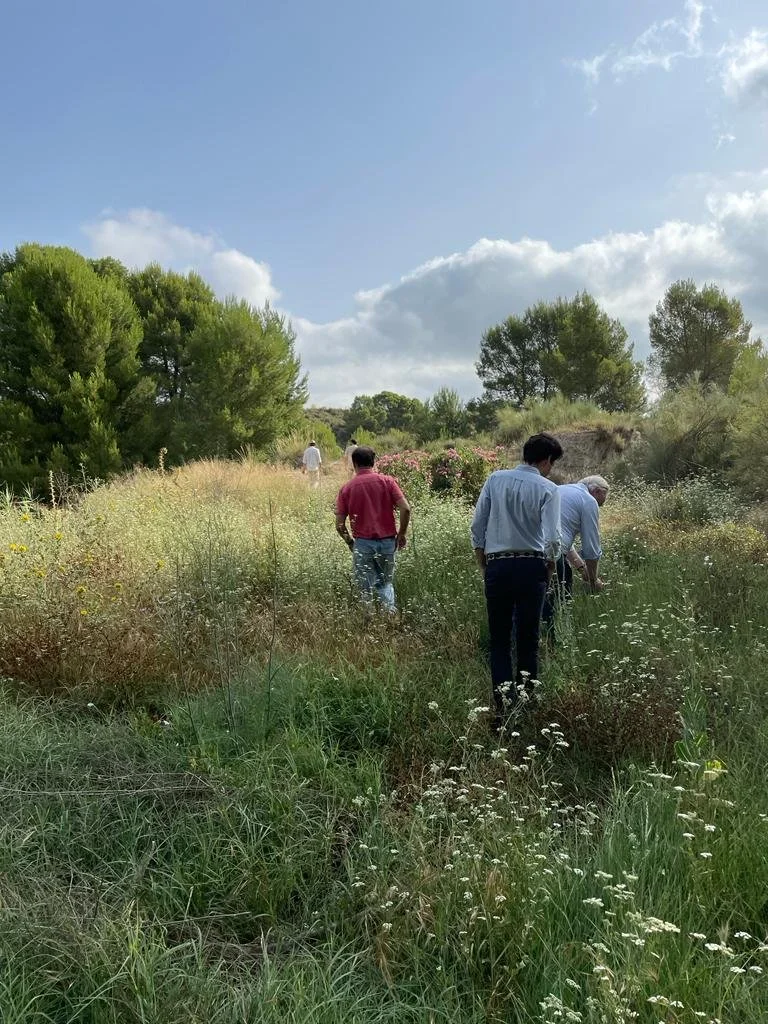
In February 2022, SLM Silva Europe Fund completed the acquisition of its first property in the southeast of Spain, near Murcia. The farm is growing a diverse set of crops and different varieties of almonds, pistachios and olives over 300 hectares.
For the management of this property, we partnered with leading regenerative farmer Alfonso Chico de Guzman. Alfonso also manages his family farm totalling 1,800 hectares growing cereals, almonds, pistachios, aromatic plants, honey and more. He used to be the Chairman of AlVelal, a large-scale landscape regeneration initiative in southern Spain funded by Commonland, a Dutch non-profit organization.
All operations on this farm are in transition to be certified organic under the EU-Organic label within 3 years. The production models also following sound regenerative practices, including soil health and fertility management (using compost, pruning biomass as organic fertilisers, growing cover crops), water management (using cover crops and improving soil water holding capacity), pest and disease management (integrated pest management, insect trads, reducing herbicide and insecticide use) and minimising tillage and other soil disturbances.
Over 70 hectares are set-aside for biodiversity. On this land, we work with local ecologists and NGOs to protect High Conservation Value areas, create nature corridors, and restore degraded riparian zones, shrub and forested areas. We have also starting planting biodiversity island, pollinator strips and hedge rows within the productive areas of the farm to enhance ecosystem services, such as pollination and erosion control.